Why Does My Grill Keep Flaring Up?

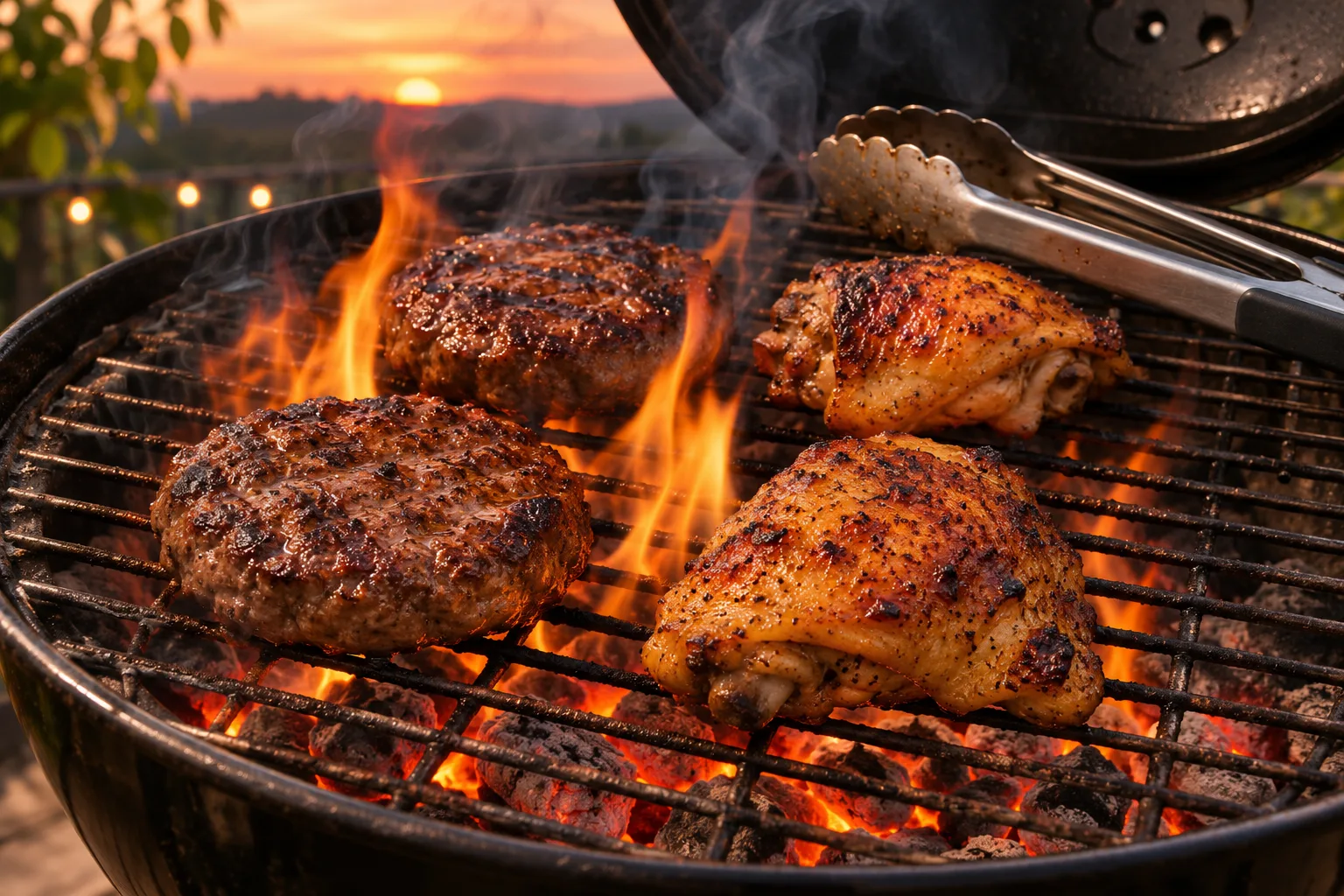
There you are, tongs in one hand and a cold drink in the other, mid-flip on a perfect Saturday afternoon — and then whoosh. A wall of orange jumps up through the grates, licks the edges of your burgers, and leaves a black scar where a beautiful crust used to be. You close the lid. You wait. You open it. It happens again. Ten minutes later you are not grilling anymore, you are firefighting.
Here is the good news: a flare-up is not a mystery and it is not bad luck. It is a small, predictable chemistry problem with a small, predictable set of fixes. Once you understand what is actually burning down there, you can kill a flare-up in about fifteen seconds — and more importantly, you can set your grill up so it barely happens in the first place. Let's walk through the causes, the emergency moves, and the habits that turn a flame-throwing grill back into a predictable cooking tool.
What a Flare-Up Actually Is.
First, let's separate three things that get lumped together at every cookout: the flare-up, the grease fire, and the burnt dinner. They are related, but they are not the same animal.
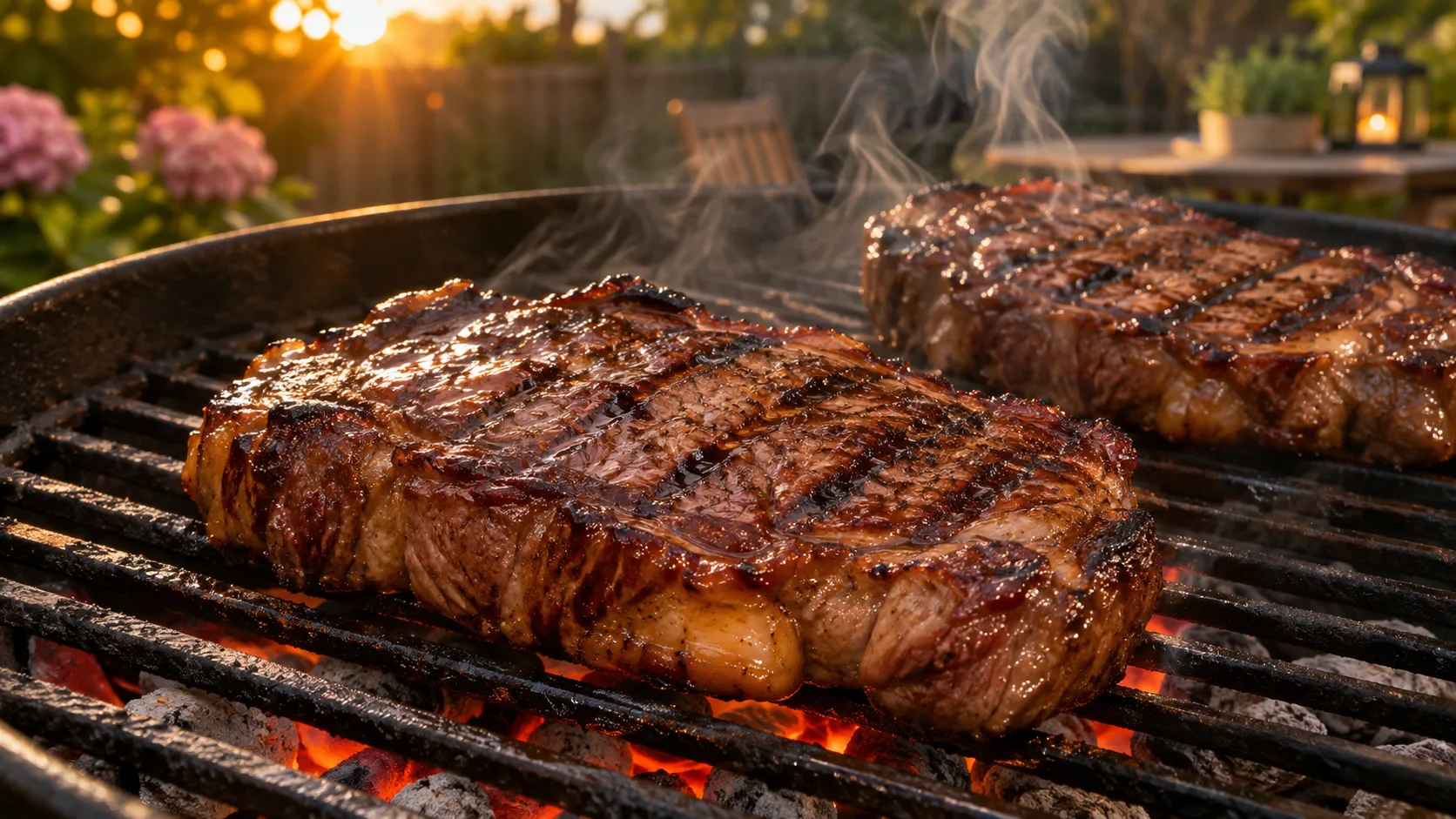
A flare-up is a short, intense burst of flame caused by fat, oil, or marinade dripping onto a hot surface and igniting. The fat renders out of the meat, falls through the grates, hits something hot — coals, a burner, a flame tamer, a heat deflector, or simply a greasy grate — vaporizes almost instantly, and burns. That is it. It is not your burger catching fire from the inside, and it is not the charcoal misbehaving.
A grease fire is what happens when that same fuel source is bigger, deeper, and has somewhere to keep burning: pooled grease in the bottom of the grill, a loaded catch pan, or years of carbonized residue on the firebox walls. Flare-ups are measured in seconds. Grease fires are measured in minutes and are genuinely dangerous.
And the burnt dinner? That is just the collateral damage. A flare-up that lasts three or four seconds deposits soot on your food, and soot tastes like exactly what it is — acrid, bitter, and impossible to sauce over.
The Four Things That Actually Feed It.
Almost every flare-up you will ever have traces back to one of these four. Find the one that matches your cook and you have found your fix.
Rendering Fat Is the Fuel.
Fatty cuts drip. An 80/20 burger patty, skin-on chicken thighs, a well-marbled ribeye with a thick fat cap, pork ribs, brats and sausages — all of them shed fat as they cook, and all of them flare when that fat lands on high heat. This is normal, and it is also the reason those cuts taste so good. You do not want to eliminate fat; you want to control where it lands. Trimming the obvious excess — the hard fat cap on a steak, the big flaps of skin-side fat on chicken — reduces the volume of drippings without turning dinner into shoe leather.
Sugar and Oil Burn Before the Meat Does.
Anything sticky is a flare-up waiting for heat. Barbecue sauce, teriyaki, honey glazes, syrup-based marinades, oil-heavy wet rubs: the sugars caramelize and then carbonize fast, and the oil runs off the food and straight into the fire. That is why a sauce-slathered chicken breast flares like a torch while a dry-rubbed one cooks calmly. The fix is timing, not abstinence — sauce in the last few minutes of the cook, over indirect heat if you have it, and never over a roaring direct fire.
Old Grease Is a Loaded Gun.
This is the cause people miss, and it is the one most likely to turn a nuisance into an emergency. Residue on the grates, in the drip tray, in the catch pan, and on the bottom of the firebox is fuel that is already sitting exactly where the heat is highest. A grill that has not been cleaned in a few cooks does not just flare more — it flares bigger, hotter, and longer. If your grill "suddenly" started flaring every single time you use it, the answer is almost always a deep clean, not a new technique.
Wind and Oxygen Are the Accelerant.
Fire needs air, and a breezy afternoon force-feeds the firebox. On a gas grill, wind can push flame away from the burner ports and create uneven, surging heat. On charcoal, wind through the vents turns a controlled fire into a furnace and sends embers where you do not want them. If it is gusting, rotate the grill so the wind hits the side rather than the front, close the lid more, and keep the vents more closed than usual. If your setup lets you, cook on the sheltered side of the house.
How to Kill a Flare-Up in About Fifteen Seconds.
When the flames come up, your instinct will be to grab the food and yank it. Do not yank it up through the flame. Move it sideways. Here is the sequence, in order.
Step one: move the food to the cool zone. With your tongs, slide whatever is cooking to a part of the grate with no fire underneath — the coal-free side of a kettle, or the burner that is turned off. If you are out of real estate, the warming rack is a decent fallback. Once the drippings stop falling, most flare-ups die on their own within a few seconds.
Step two: close the lid. Thirty to sixty seconds with the lid down starves the flame of oxygen and cuts the heat spike. Resist the urge to peek. Every time you lift that lid, you feed it.
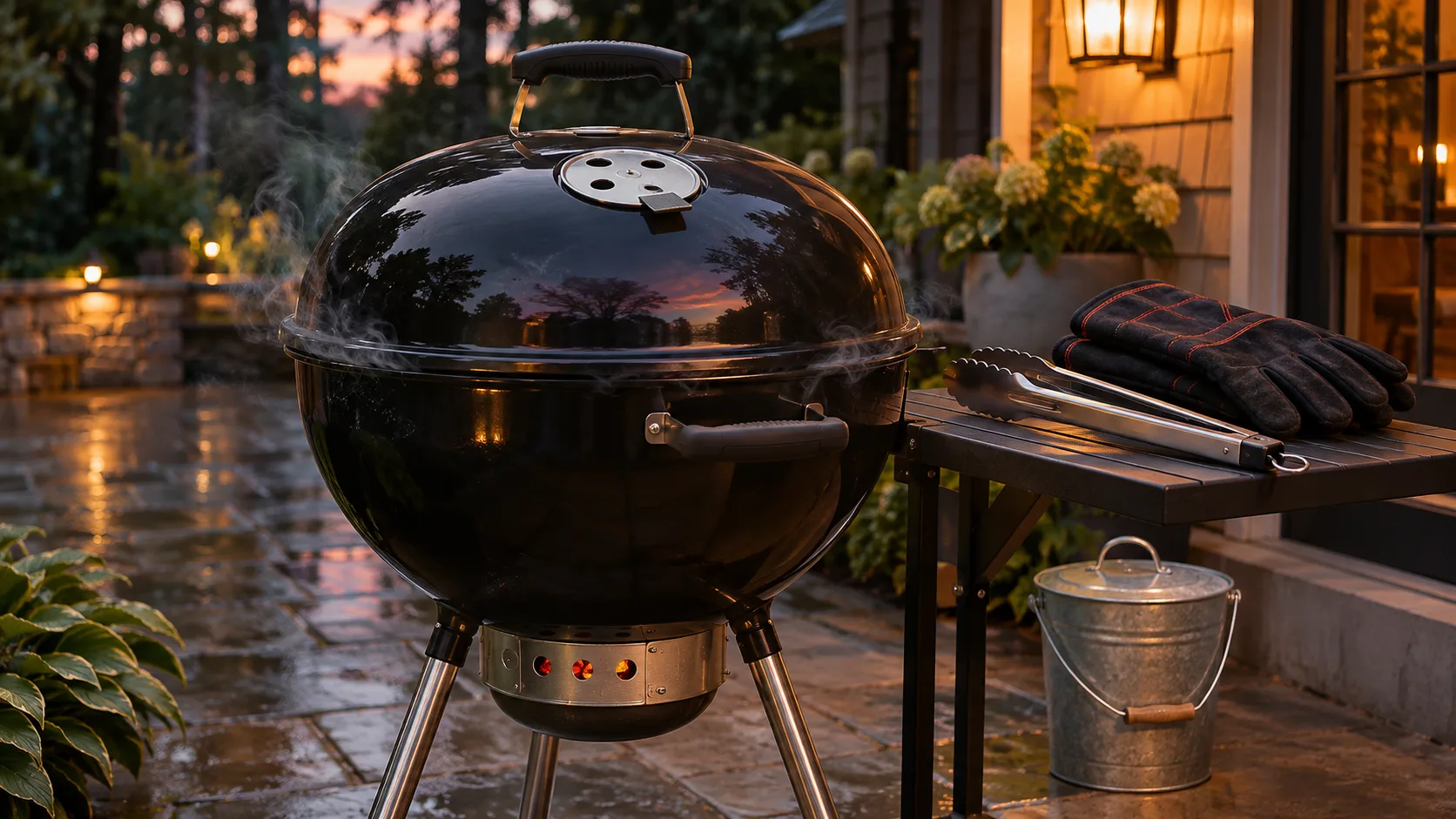
Step three: cut the fuel at the source. On a charcoal grill, close both vents — intake and exhaust. On a gas grill, turn off the burner directly under where the food was sitting. On a pellet grill, drop the temperature setting and close the lid. You are not trying to put out a fire; you are trying to remove one leg of the fire triangle long enough for the other two to give up.
Step four: scrape the hot spot. Once the flames are down, give the grate a quick scrape with a brush or scraper. You are clearing the fuel that caused the flare in the first place. If you skip this, you will be back here in ninety seconds.
| Situation | Do This | Never Do This |
|---|---|---|
| Small flare, 1–3 second burst | Let it burn out, move the food if it repeats | Panic-spray or yank the lid open and shut |
| Flames climbing over the food | Slide food to the cool zone, close lid 30–60 seconds | Lift the food up through the flame |
| Repeated flares in the same spot | Scrape the grate, move the cook to a new zone | Keep cooking over the same fuel-loaded spot |
| Flames coming from under the grill | Shut the gas off at the tank, close the lid, back away | Keep cooking, or open the lid wide |
| Grease fire in the firebox | Cut the fuel, close lid and vents, smother with baking soda or salt | Pour water on it — ever |
Two-Zone Heat Is the Real Fix.
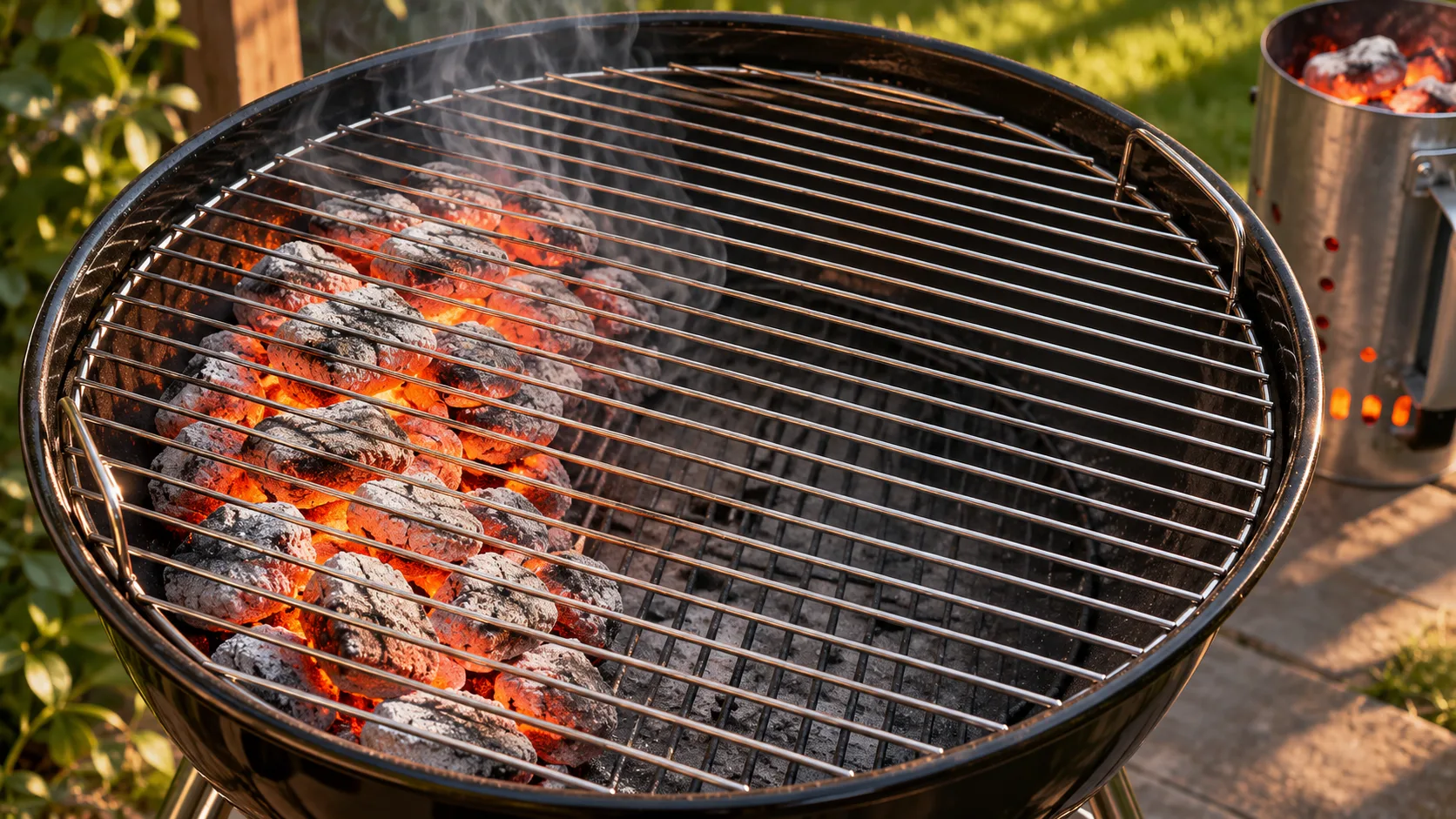
If you take one thing from this article, take this: the single most effective flare-up defense is having somewhere to move the food. A two-zone setup gives you a hot side for searing and a cool side for finishing, and it converts a scary flare-up into a two-second inconvenience.
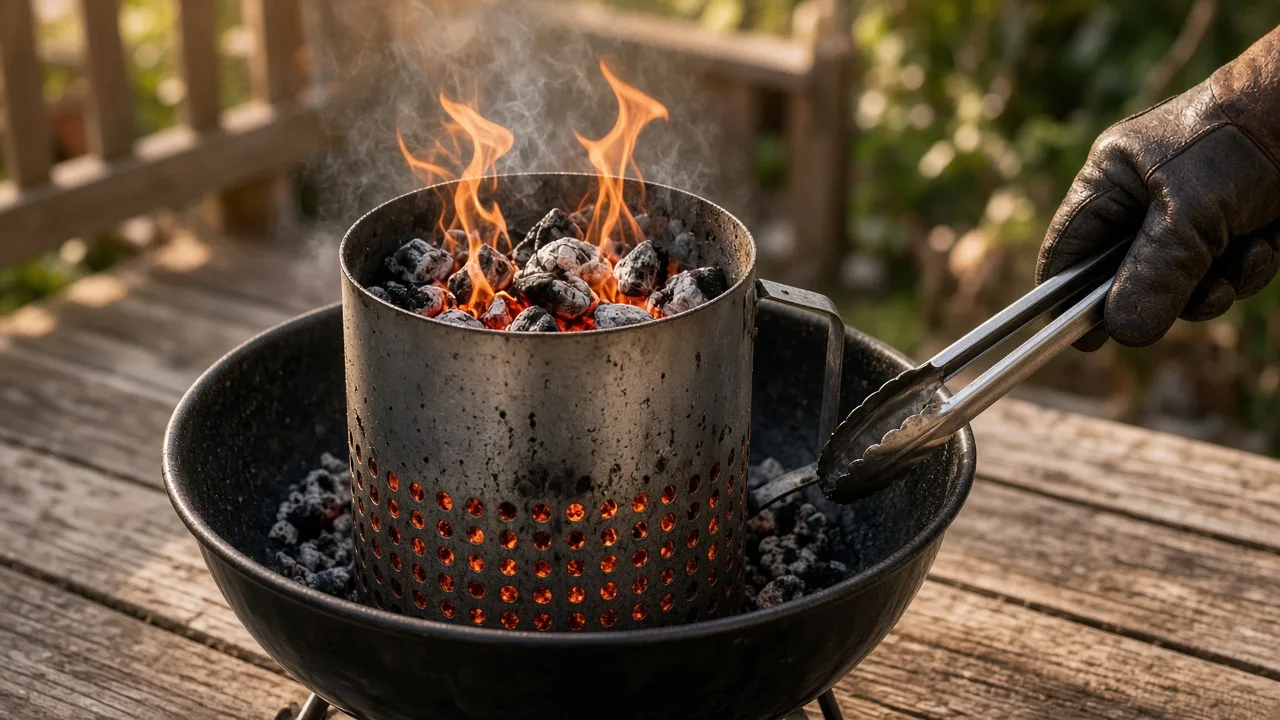
On charcoal, that means all your lit coals banked on one half of the grill, with the other half empty. On gas, it means lighting one or two burners and leaving the rest off. On a pellet grill, it means using a top rack or a raised indirect position. You sear over the fire to build crust, then move the food to the quiet side to finish — and any fat that drips on the cool side lands on a surface that is not hot enough to ignite it.
The beauty of it is that two-zone cooking is already the right way to grill almost everything. It is how you cook a whole chicken without torching the skin, how you get a steak with a crust and a rosy center, and how you keep a big batch of burgers from turning into charcoal briquettes while you wrangle buns and cheese. If you need a refresher, our guide to direct vs. indirect grilling walks through the setup on both charcoal and gas.
Why Some Foods Flare Worse Than Others.
Not all flare-ups are created equal. Some foods drip a little and flare rarely; others are basically self-lubricating fire hazards. Knowing which is which tells you how closely you need to babysit the grate.
| Food | Why It Flares | Best Defense |
|---|---|---|
| 80/20 burgers | High fat content plus a flat surface that channels drippings | Sear over direct heat, finish in the cool zone, scrape between batches |
| Skin-on chicken thighs and wings | Rendering skin fat drips continuously | Start skin-side up over indirect heat, crisp at the end over direct |
| Ribs | Long cook, heavy fat rendering, sugar in the rub | Low and slow with a drip pan; sauce only in the final minutes |
| Fat-capped steaks | Fat cap renders down the side and drops straight into the fire | Trim the hard fat to about a quarter inch, sear, then move |
| Marinated anything | Oil and sugar run off before the meat even starts cooking | Pat the surface dry, grill over moderate heat, glaze late |
| Brats and sausage | Very high fat ratio, casings burst and release fat | Indirect heat first, brief direct sear at the end, prick nothing |
| Skin-on salmon | Oily skin plus delicate flesh that sticks and tears | Well-oiled grates, skin-side down over moderate heat, one flip |
Notice the pattern: the fattier and sweeter the food, the more you want to lean on the cool zone and the less you want to cook it over a screaming fire. Our chicken thighs guide is a good example of the same principle applied to one of the worst flare-up offenders in the backyard.
The Habits That Make Flare-Ups Rare.
Prevention is boring and it works. Fold these into your routine and you will go whole seasons without a real flare-up.
Clean the grill before you cook, not after. Brush the grates while they are hot, and empty the catch pan and drip tray regularly. A quick scrape before the food goes on removes the fuel that would otherwise ignite under it. If it has been a while, do a proper deep clean of the firebox and the underside of the grates.
Preheat with the lid closed and let it burn off. Ten to fifteen minutes at full heat with the lid down burns residual grease off the grates and gets the metal to a stable temperature. A cold, greasy grill flares. A clean, fully preheated one does not.
Trim, but do not strip. Take off the hard fat and the loose flaps. Leave the marbling alone — that is flavor, not fuel, as long as it is not dripping directly onto coals.
Use a drip pan. A cheap aluminum pan under the food, especially on a charcoal grill or offset smoker, catches drippings before they reach the fire. On a gas grill, make sure the drip tray and catch pan are actually in place and not full of last month's grease.
Sauce late. Dry rub early, sauce in the last five minutes. If you want sticky, caramelized ribs, glaze them over indirect heat and watch them like a hawk.
Do not overcrowd. Packing the grate concentrates drippings into a smaller area directly over the hottest part of the fire. Give food room and give yourself room to move it.
Keep a box of baking soda within reach. Not for routine flare-ups — for the one that gets away from you. It is the cheapest fire insurance you can buy.
Watch the weather. Windy days call for more lid-down cooking, tighter vents, and a more sheltered setup. If the flags are snapping, treat your fire like it has a turbocharger.
When a Flare-Up Becomes a Grease Fire.
This is the part nobody wants to read, and it is the part that matters most. A flare-up that does not settle when you close the lid is no longer a flare-up.
Warning signs: the flames keep roaring with the lid down, you hear a low rushing sound, flames appear around the edges of the lid or from underneath the firebox, or the paint on the outside starts to blister. Treat any of those as a grease fire.
What to do, in order. Shut off the gas at the tank if it is a gas grill — not just the knobs, the tank. Close the lid. Close all the vents on a charcoal grill. Move people and pets back. Smother small fires with baking soda or a generous pour of salt. Keep a fire extinguisher rated for grease nearby and know how to use it. If the fire is spreading beyond the grill, get away and call emergency services. A grill is replaceable.
What never to do: pour water on a grease fire. Water hits hot oil, flashes to steam, and throws burning grease into the air — which is how a manageable fire becomes a burn injury and a garage fire. Never use flour or baking powder either; fine powders can explode in a cloud of flame. Never try to carry a burning grill away from the house. And once a grease fire is out, do not relight that grill until it has been cleaned and inspected, because the fuel is still sitting in the bottom of the firebox.
If you cook on charcoal, our guide to putting out a charcoal grill safely covers the vent-shutdown and ash-disposal side of this in detail — the same vent control that starves a fire is what you use to shut down after a normal cook.
How to Rescue Food That Got Torched.
You caught it late and dinner is wearing a black coat. First, do not serve the soot. Scrape or wipe off the carbonized surface rather than saucing over it — burnt crust tastes bitter no matter what you put on it, and no amount of barbecue sauce hides acrid.
Second, check whether the food is actually cooked. A flare-up browns the outside fast while the inside lags behind, so the outside can look done while the center is raw. Move the food to the cool zone, close the lid, and finish it gently with a thermometer in hand. Ground beef burgers want 160°F, poultry wants 165°F, pork wants 145°F with a short rest, and whole-muscle beef is a matter of preference — anywhere from about 130°F for medium rare up to 150°F or so for medium well. If the outside is already too dark, finish it in a 350°F oven on a rack instead of over the fire.
And if the whole batch is beyond saving, order the pizza, laugh about it, and clean the grill before the next cook. Everyone who has owned a grill for more than a season has a flare-up story. The goal is not a perfect record — it is knowing exactly what to do when the flames show up.
The Takeaway.
Your grill keeps flaring up because fat, sugar, or old grease is landing on something hot enough to ignite it. That is the whole mystery, and every fix flows from it. Set up two zones so you always have a safe place to move the food. Trim the hard fat, sauce late, keep the firebox and catch pan clean, preheat with the lid down, and pay attention when the wind picks up.
When a flare-up does happen, move the food sideways, close the lid, cut the fuel, and scrape the hot spot. Fifteen seconds of calm beats fifteen minutes of panic every time. Master that and the flames stop being the enemy at your cookout — they become just another part of the fire you already know how to run.